How to Launch a Solana Token Without Becoming a Rug Pull Statistic
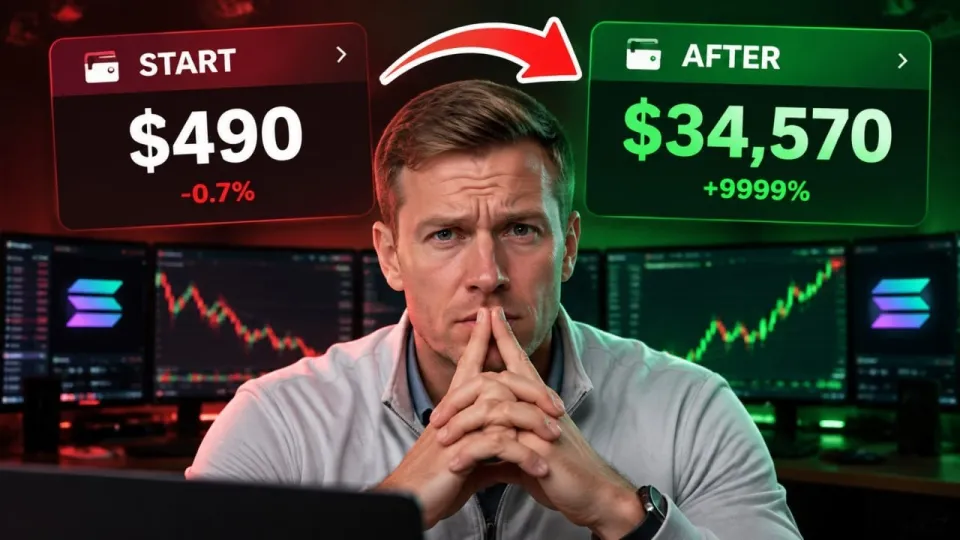
Video: Rug Pull Strategy: Solana Token Launch & Rug Pull Risks
· based on the channel TU ANDROID. COM
Launching a Solana token is a technical process that takes minutes and costs a few dollars in SOL, but doing it without becoming a rug pull statistic means locking liquidity, revoking mint and freeze authorities, and distributing supply before anyone else can buy. The video "Rug Pull Strategy: Solana Token Launch & Rug Pull Risks" from the channel TU ANDROID. COM walks through the mechanics of meme coin creation and the warning signs that separate a legitimate launch from a drain. You can explore the token launch platform demonstrated in the video at funrug.cc.
What a Solana token launch actually involves
A Solana token launch is a sequence of on-chain actions that create a mint, define supply, and open a market — and each step leaves a fingerprint you can inspect. On Solana, the token program (SPL Token) lets anyone create a mint account in seconds. The creator decides the total supply, the number of decimals, and whether to keep the mint authority (which allows printing more tokens) and the freeze authority (which allows freezing holder accounts).
After the mint exists, the creator typically adds liquidity to a decentralized exchange such as Raydium or Orca. That liquidity is provided as a pool of tokens and SOL. If the creator does not lock or burn the LP tokens, they can withdraw the SOL at any moment — that is the classic rug pull. The video uses funrug.cc to show how a launch platform packages these steps, and the comments below it repeatedly stress that liquidity locks, holder distribution, and developer wallet activity are the checks beginners skip.
How rug pulls work on Solana
A rug pull on Solana is the removal of liquidity or the abuse of token authorities after buyers have entered, leaving holders with a token that cannot be sold at a meaningful price. The mechanics are not mysterious; they are visible on-chain if you know where to look. The most common pattern is a developer who launches a token, adds a small amount of SOL as liquidity, lets the price rise on hype, then withdraws the SOL from the pool. The token still exists, but its price collapses because there is nothing left to buy it with.
A second pattern relies on mint authority. If the creator did not revoke it, they can mint billions of new tokens and sell them into the pool, diluting every existing holder. A third pattern uses freeze authority to lock buyers out of selling. A fourth uses a hidden transfer tax or a blacklist function embedded in the token contract. The video description frames this as educational material, and the viewer comments confirm that the developer wallet setup and automated liquidity removal are the parts retail traders most often miss.
Red flags to check before buying any new Solana token
Before buying a new Solana token, check the contract authorities, the liquidity lock, and the holder list — in that order, because each check takes under a minute. These are the warning signs that appear again and again in failed launches:
- Mint authority is still active. The creator can print unlimited tokens. On Solscan or Birdeye, look for "Mint Authority" — if it is not revoked, treat the token as high risk.
- Freeze authority is still active. The creator can freeze your wallet and prevent you from selling.
- Liquidity is not locked or burned. If the LP tokens sit in a wallet controlled by the developer, the SOL can be pulled at any time. Lockers such as Streamflow or a burn address remove that option.
- One wallet holds a large share of supply. If the top ten holders control more than 30–40% of the supply, a single sell can crash the price.
- The developer wallet funded the launch and still holds tokens. Check the first transactions on the mint address; a wallet that bought at the lowest price and has not sold is waiting for exit liquidity.
- Social channels are new and full of bots. A Telegram or X account created the same day as the token, with generic comments, is a marketing shell, not a community.
- Trading is enabled but selling is restricted. Some tokens have a transfer hook or tax that only triggers on sells; test with a tiny amount before committing capital.
What the video shows about bots and sniper activity
Bots and sniper wallets are automated programs that buy a new Solana token in the same block it becomes tradable, and the video demonstrates how they react to a launch. Because Solana confirms blocks in under a second, a sniper bot can land a buy before a human has finished reading the ticker. The result is that the earliest buyers often hold the cheapest tokens, and retail traders who arrive minutes later are buying from them.
The video's comments highlight this as the "wild west" nature of memecoin trading. Understanding it changes strategy: if you cannot compete on speed, you compete on research. That means checking whether the launch is structured to reward early bots or to distribute supply more fairly. Some launches use a fair-launch mechanism, a bonding curve, or a presale with vesting; others simply open a pool and let the bots fight. Neither is automatically a rug pull, but the bot activity tells you who your counterparty is.
Common questions traders ask about Solana launches
The questions below come from the kinds of concerns viewers raised under the video: how to verify a project, what fees are involved, and whether a locked liquidity pool is enough. One viewer asked what warning sign beginners most often overlook. In practice, it is the mint authority — a token can look safe, have locked liquidity, and still be infinitely dilutable if the creator kept the right to mint. Another common question is about fees. Launching on Solana costs a fraction of a SOL for the mint account and the token account, but adding liquidity requires real SOL, and the amount you add determines how much slippage a buyer will face.
A third recurring theme is whether a locked liquidity pool guarantees safety. It does not. A lock removes one rug pull vector, but the developer can still dump their own token allocation, and a lock with a short duration or a unlock schedule that is not public is only a partial protection. A fourth theme is how to evaluate a new meme coin when there is no product, no roadmap, and no team. In that case, the evaluation is entirely about on-chain structure: who holds the supply, whether authorities are revoked, and whether the liquidity is locked. Hype is not a metric.
How to launch a token without rug pulling your own buyers
If you are the one launching a Solana token, the responsible sequence is straightforward and it protects both you and your buyers. First, create the mint and immediately revoke the mint authority and the freeze authority. Second, decide the supply and distribute it transparently — a public wallet list or a vesting contract is better than a single developer wallet. Third, add liquidity and lock or burn the LP tokens for a defined period. Fourth, publish the token address, the lock transaction, and the holder distribution in one place so anyone can verify it.
Platforms such as the one shown at funrug.cc bundle token creation and launch steps into a single interface, which lowers the technical barrier but does not remove the responsibility. A launch that skips the authority revocation step is not a mistake; it is a design choice, and buyers should treat it as one. The video's educational framing is useful precisely because it shows the mechanics from the creator's side, which is the fastest way to learn what to check as a buyer.
Final thoughts on Solana token launches and rug pull risk
Solana token launches are cheap, fast, and permissionless, which is exactly why rug pulls are common — the cost of trying is low and the cost of failing is paid by buyers. The defense is not a single tool but a routine: check authorities, check liquidity locks, check holder concentration, and check the developer wallet before you buy. The video from TU ANDROID. COM is a clear walkthrough of those mechanics from the launch side, and it is worth watching if you want to see how the steps fit together. If you want to explore the launch platform used in the demonstration, start at funrug.cc and treat every new token as guilty until its on-chain data proves otherwise.
Key takeaways
- Solana token launches take minutes and cost a few dollars in SOL, but most meme coins fail within days.
- Rug pull mechanics on Solana usually involve mint authority, freeze authority, and unlocked liquidity.
- Checking holder distribution and developer wallet activity is faster than reading a whitepaper.
- The funrug.cc platform is used in the video to demonstrate token creation and launch mechanics.
- Bots and sniper wallets often buy the first block, leaving retail traders with inflated entries.
Questions & answers
What is the most overlooked warning sign in a new Solana token?
The mint authority. Many buyers check liquidity locks and holder counts but forget that an active mint authority lets the creator print unlimited new tokens and sell them into the pool. If the mint authority is not revoked, the supply you bought is not fixed.
Does a locked liquidity pool make a Solana meme coin safe?
No. A lock removes the ability to pull the SOL from the pool for the duration of the lock, but the developer can still dump a pre-allocated share of the supply. Check how long the lock lasts, who holds the lock, and how much of the total supply the team wallets control.
How much does it cost to launch a token on Solana?
Creating the mint and token accounts costs a fraction of a SOL in network fees and rent. The real cost is the SOL you add as liquidity, and that amount determines the depth of the market and how much slippage buyers will face.
Why do bots buy new Solana tokens so fast?
Solana confirms blocks in under a second, so sniper bots can submit a buy transaction in the same block that trading opens. They get the lowest entry price and often sell to retail buyers who arrive minutes later. If you cannot match their speed, focus on on-chain research instead.
Source: Rug Pull Strategy: Solana Token Launch & Rug Pull Risks · Markdown version